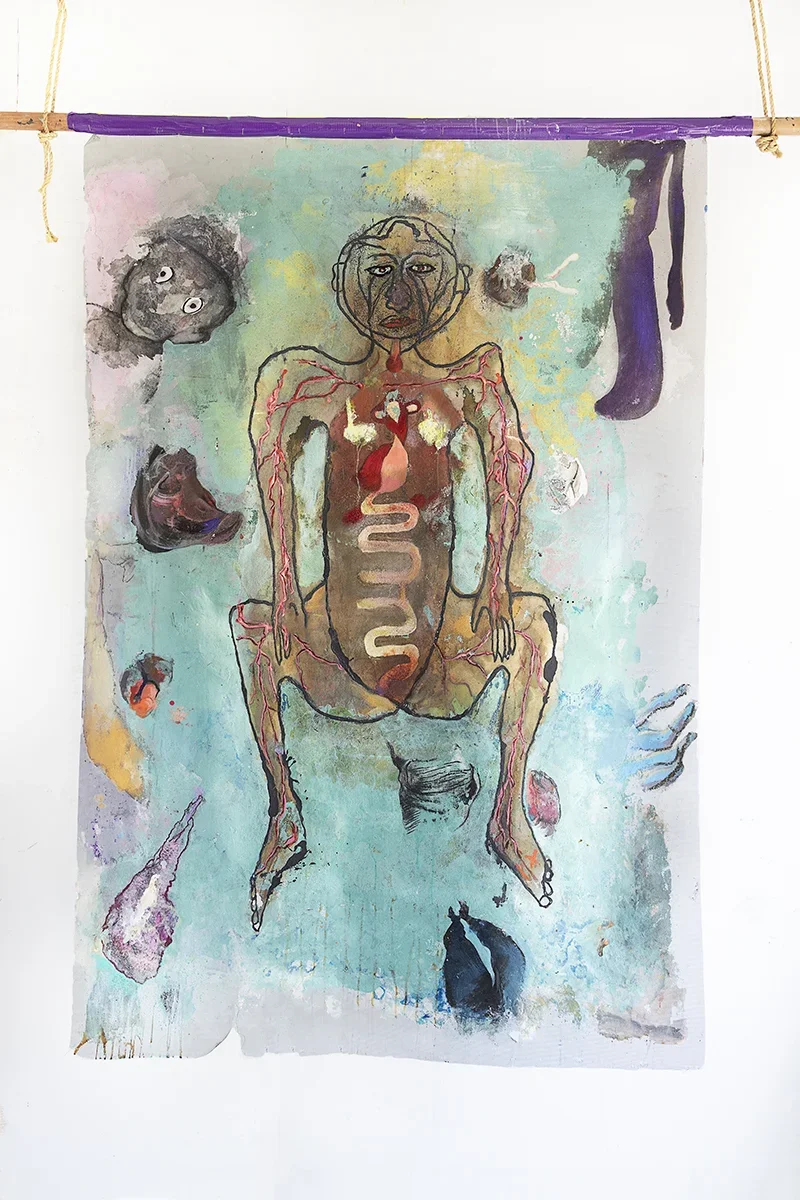
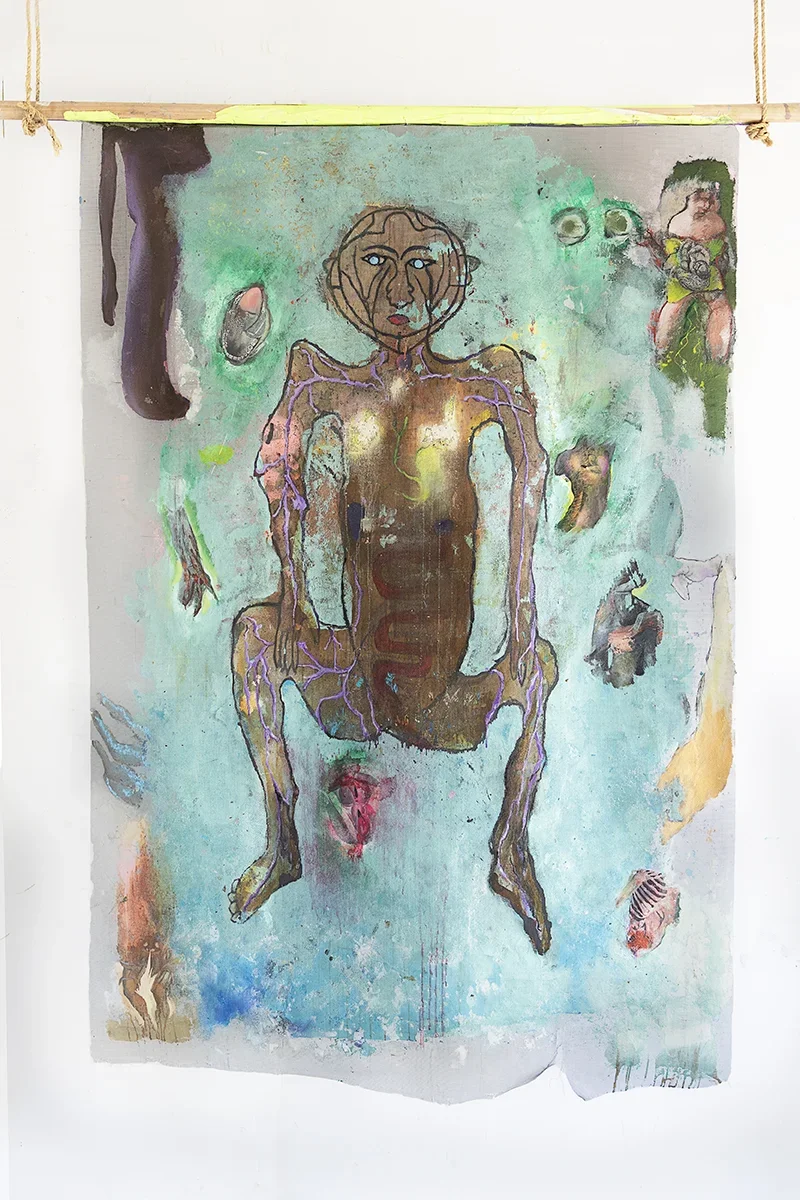
BODY PORTRAITS




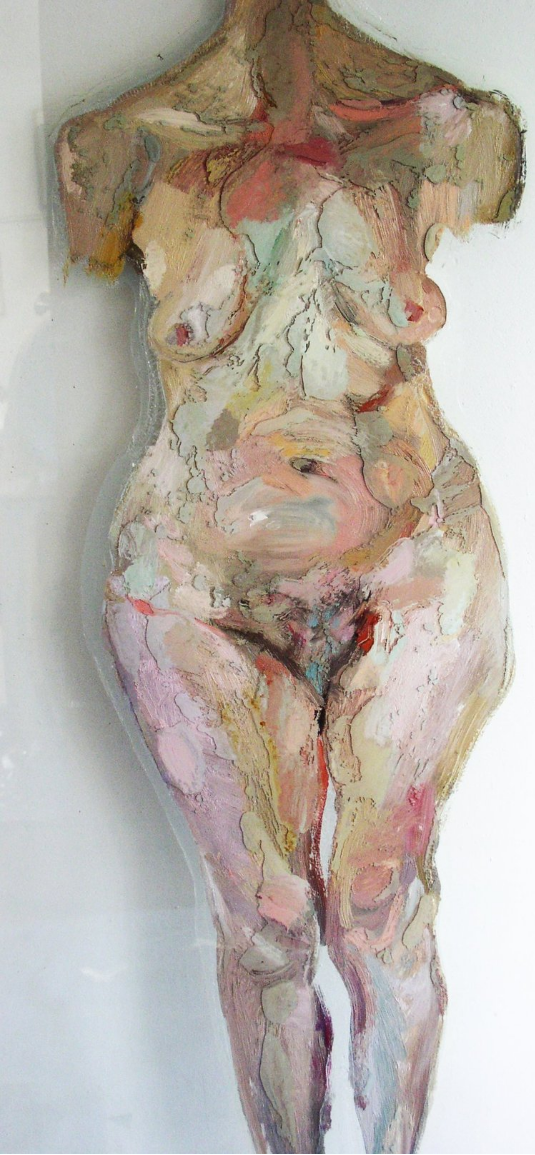
GLASS BODIES
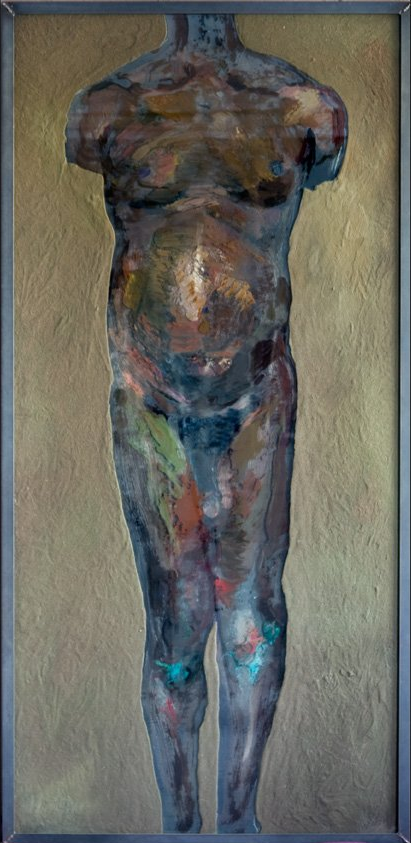
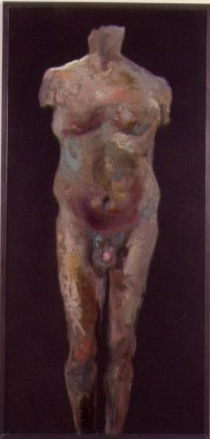
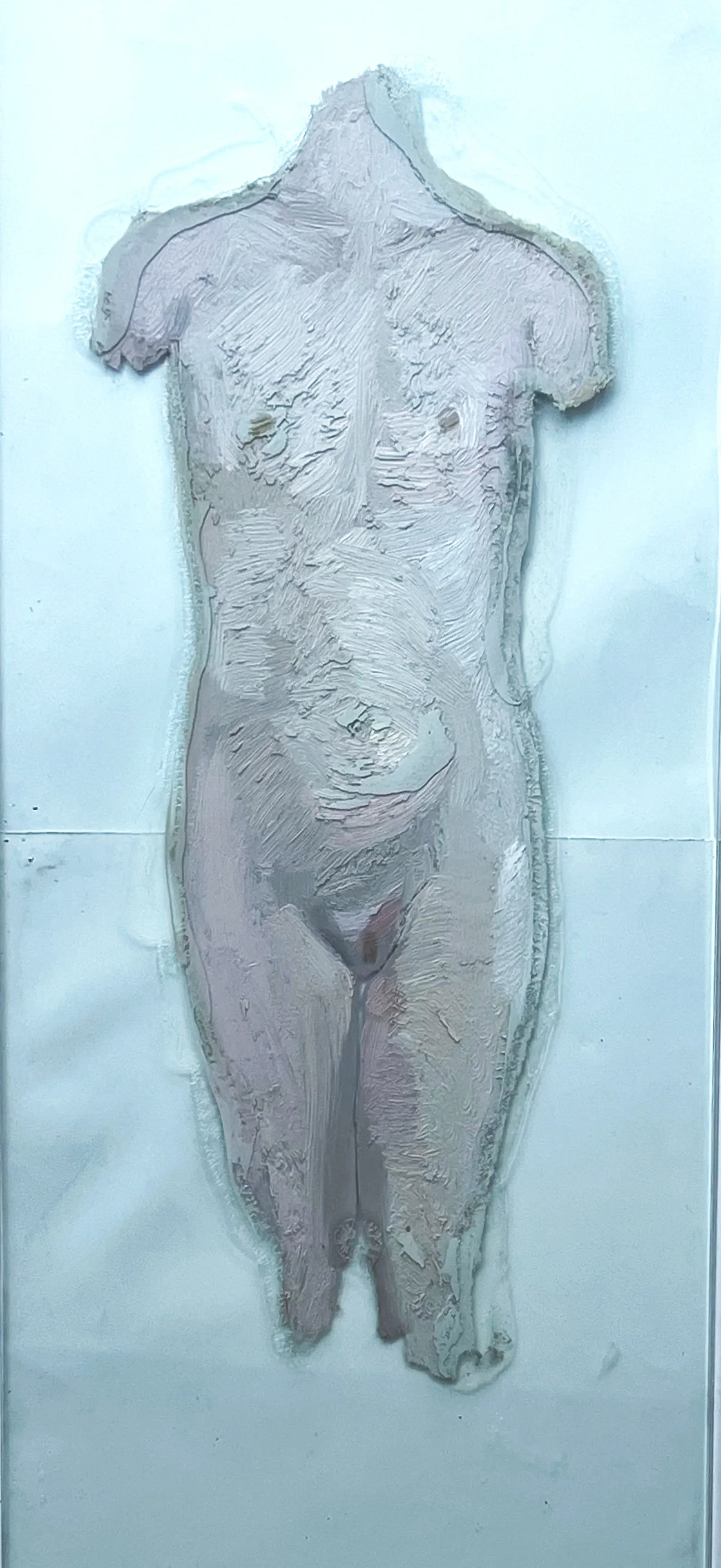
HOMOSAPIENS
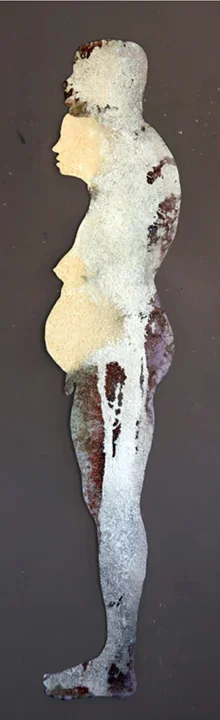
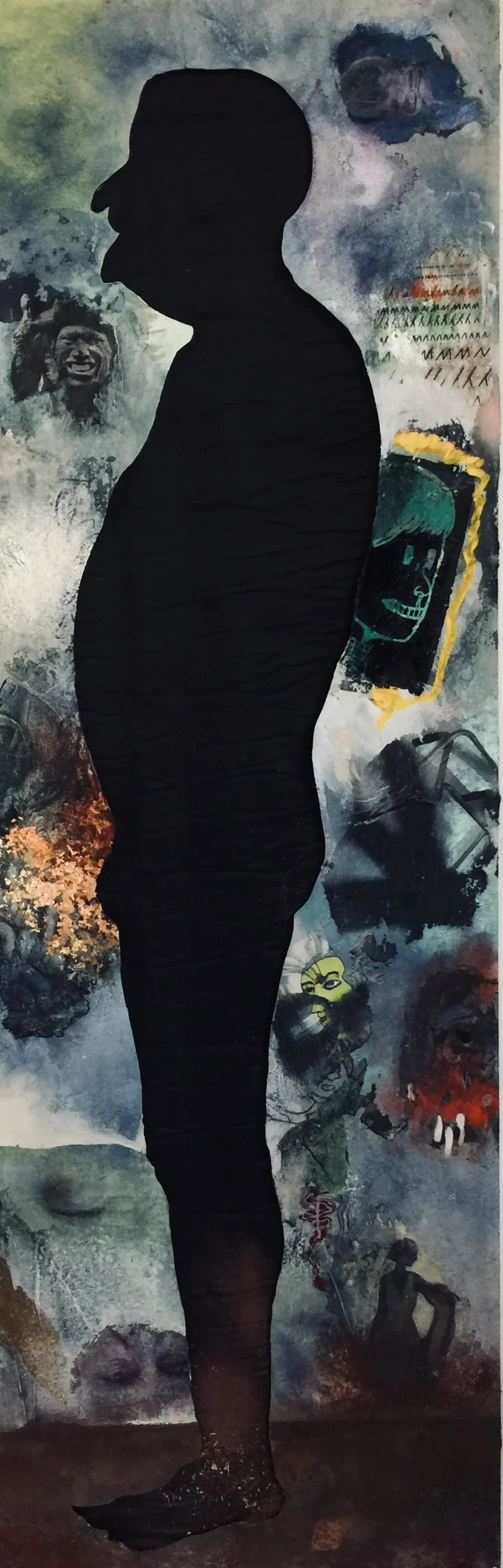
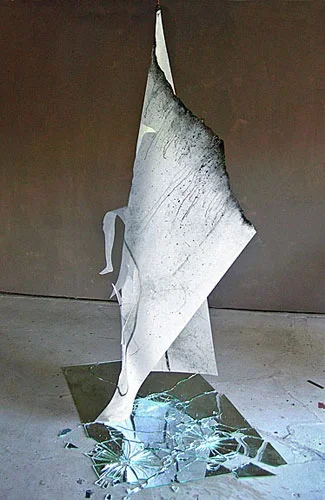
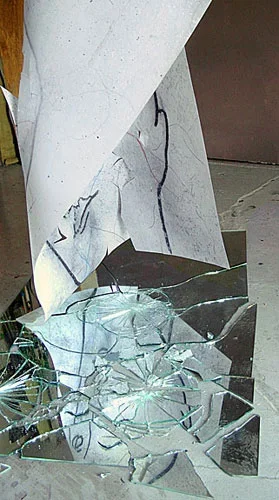
In this series, Homosapiens, the interior of the human bodies is imprinted with fragmented narratives. These tales are part of a fictionalized past-work of the person who is actually depicted. The tattoo-like markings, enhanced with powdered pigments, earth and crushed glass, speak of the complexity of the inner workings of contemporary human beings. Simultaneously the figures are linked to antiquity through their hieratic stance.
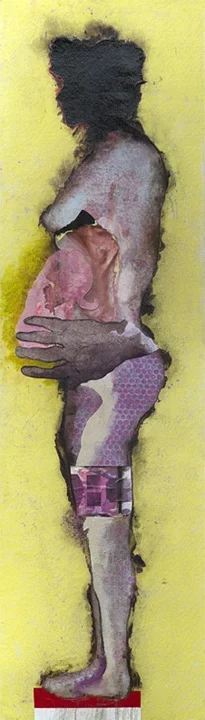
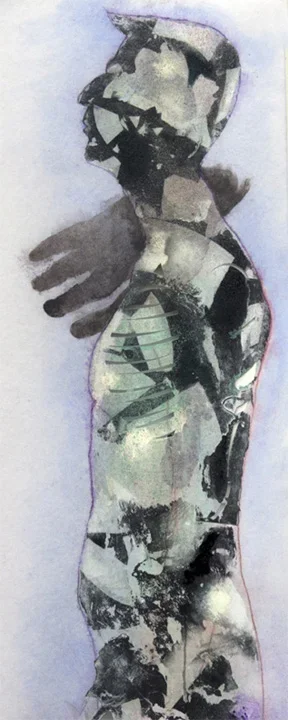
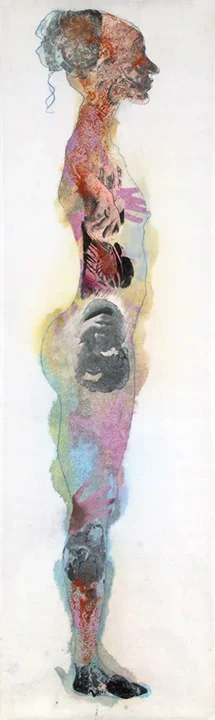
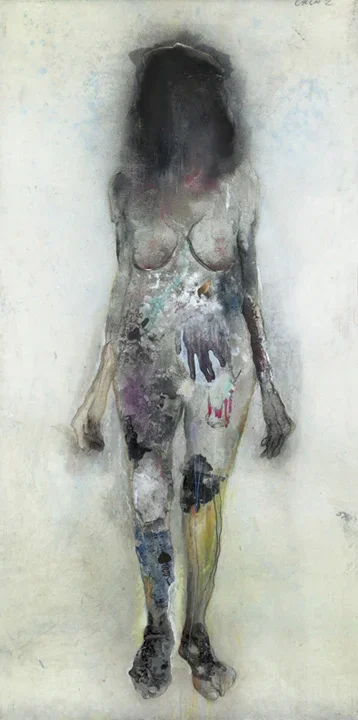
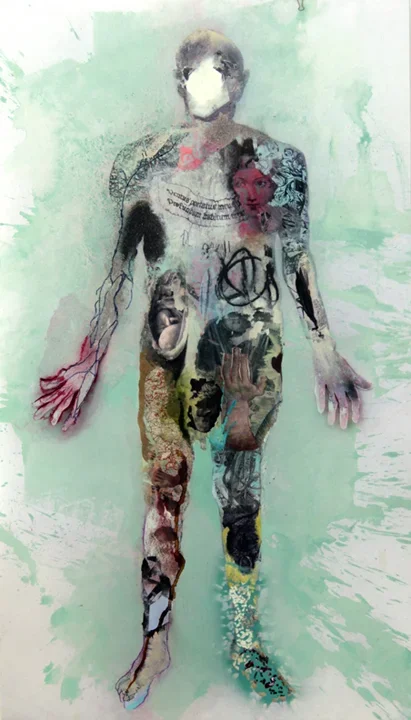
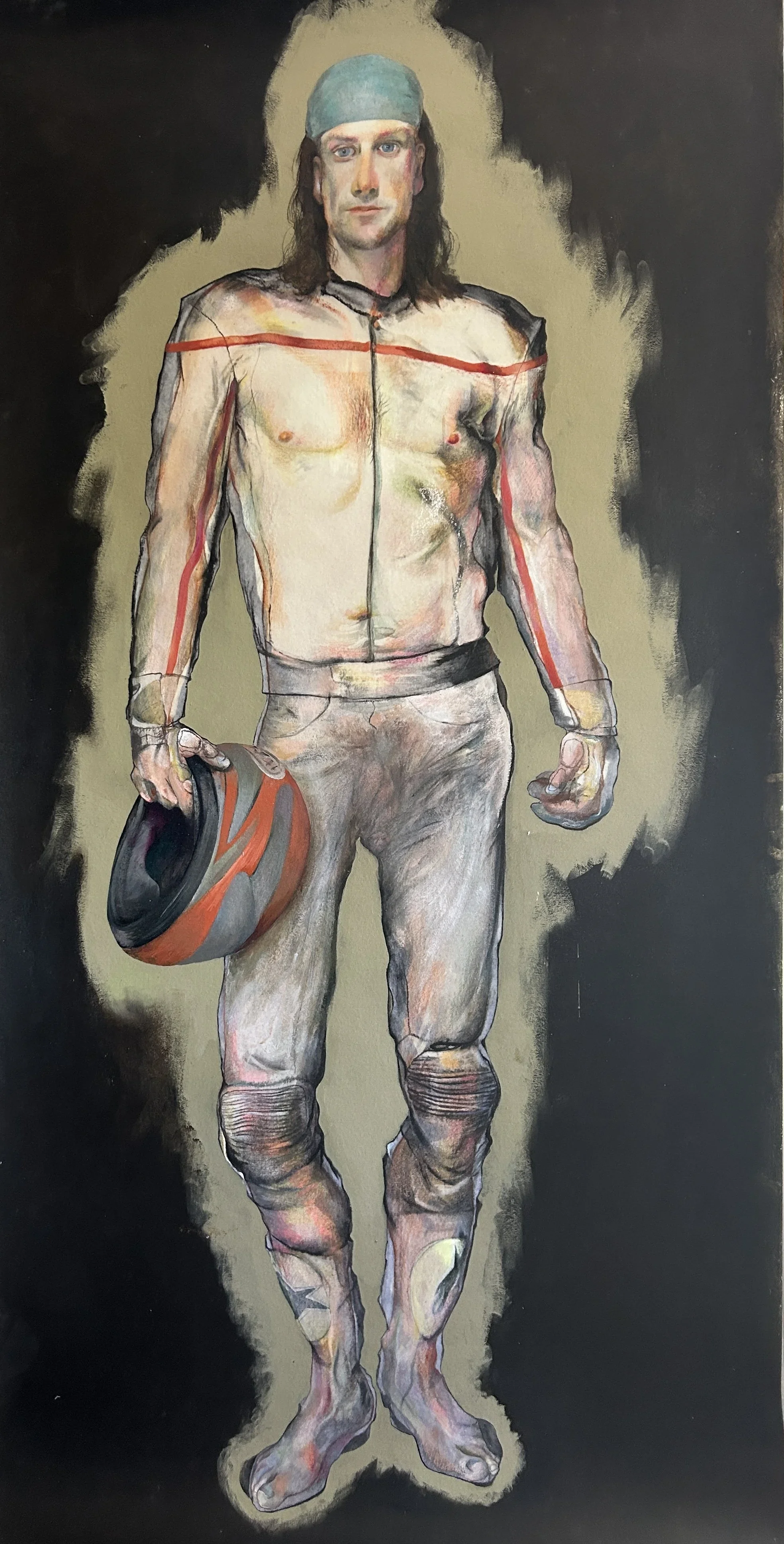
Biker
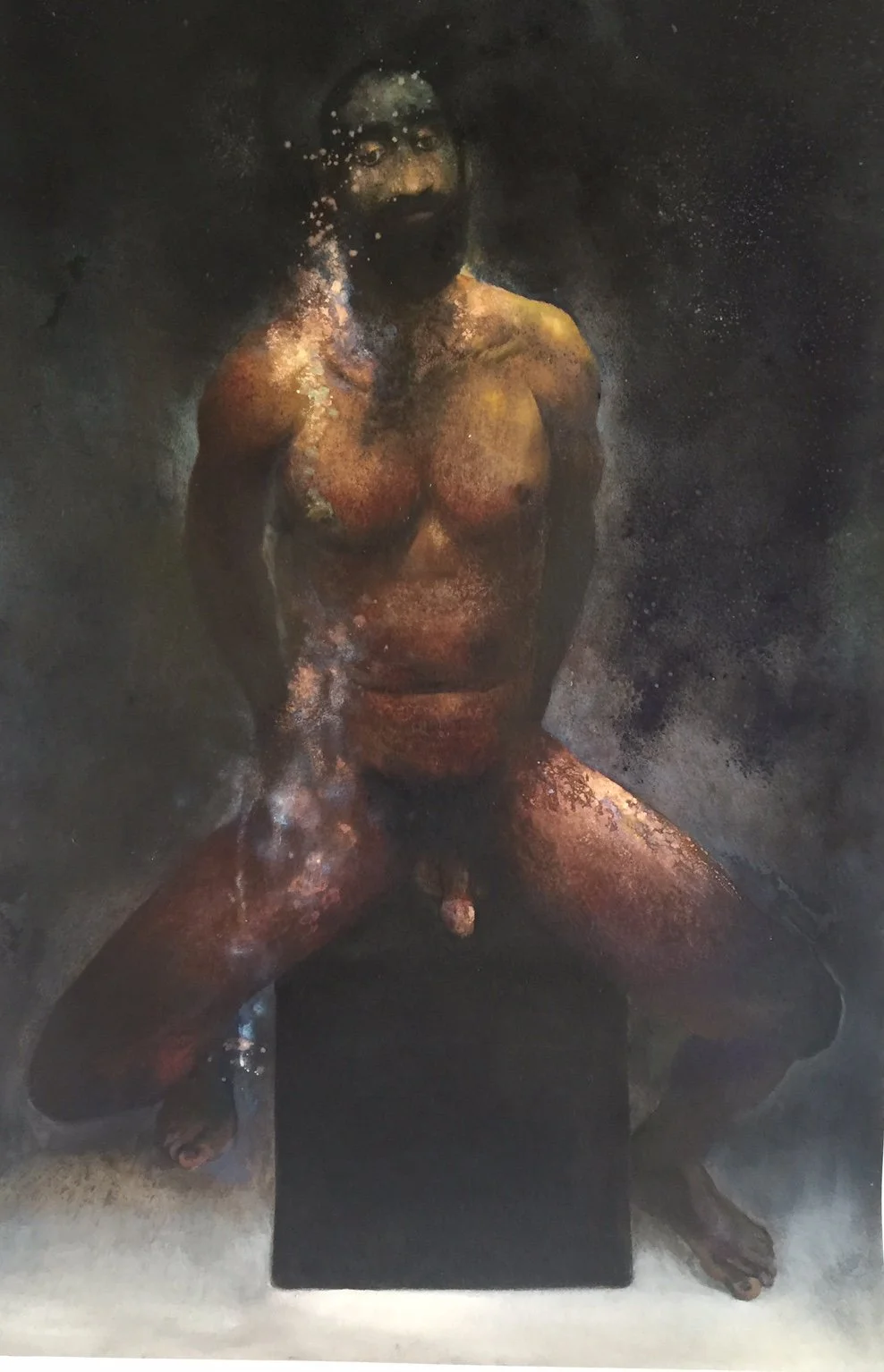
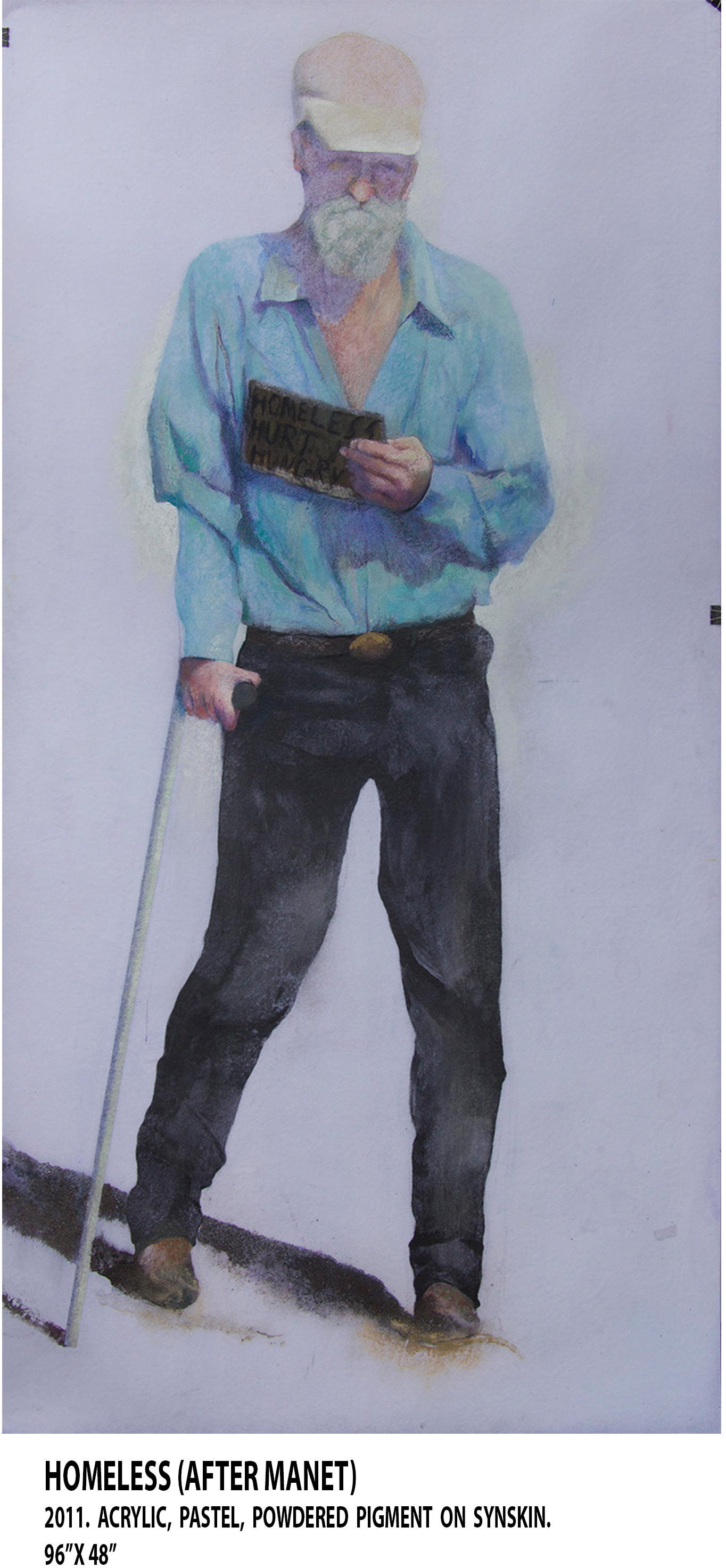
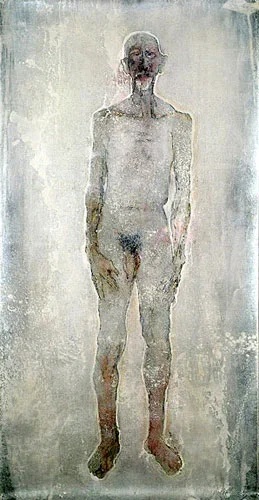
TUndra man
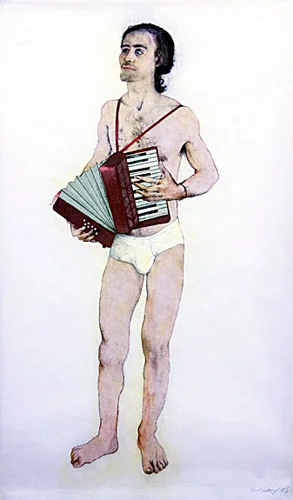
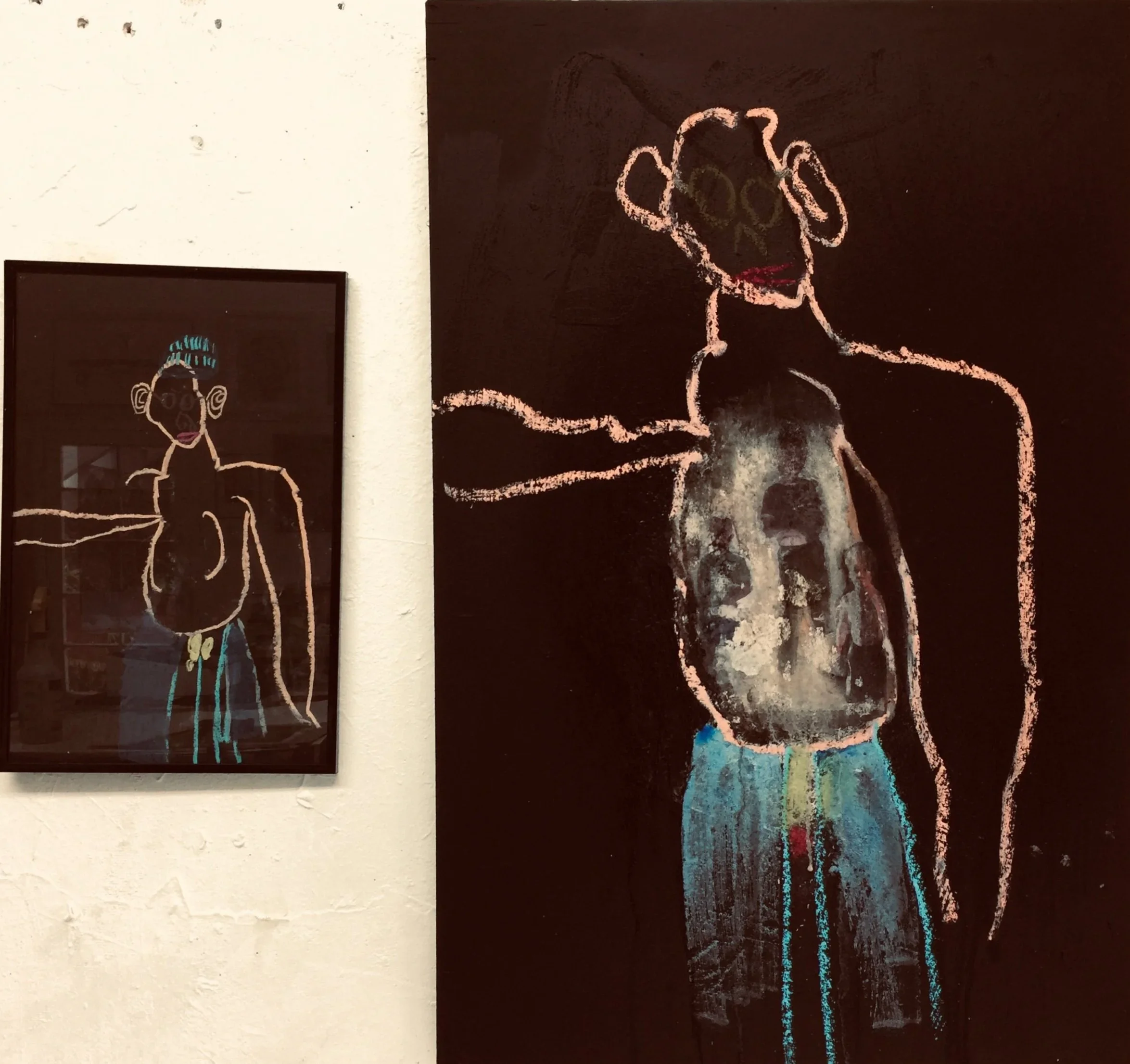
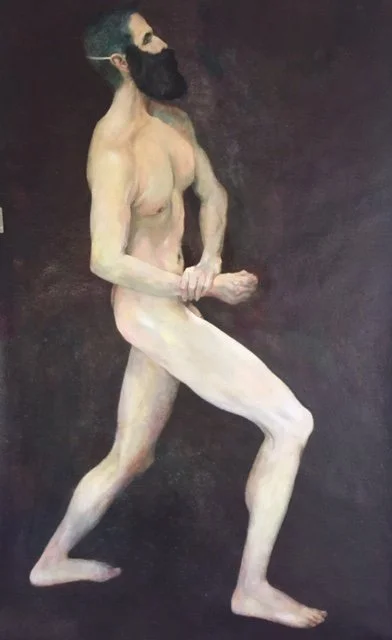
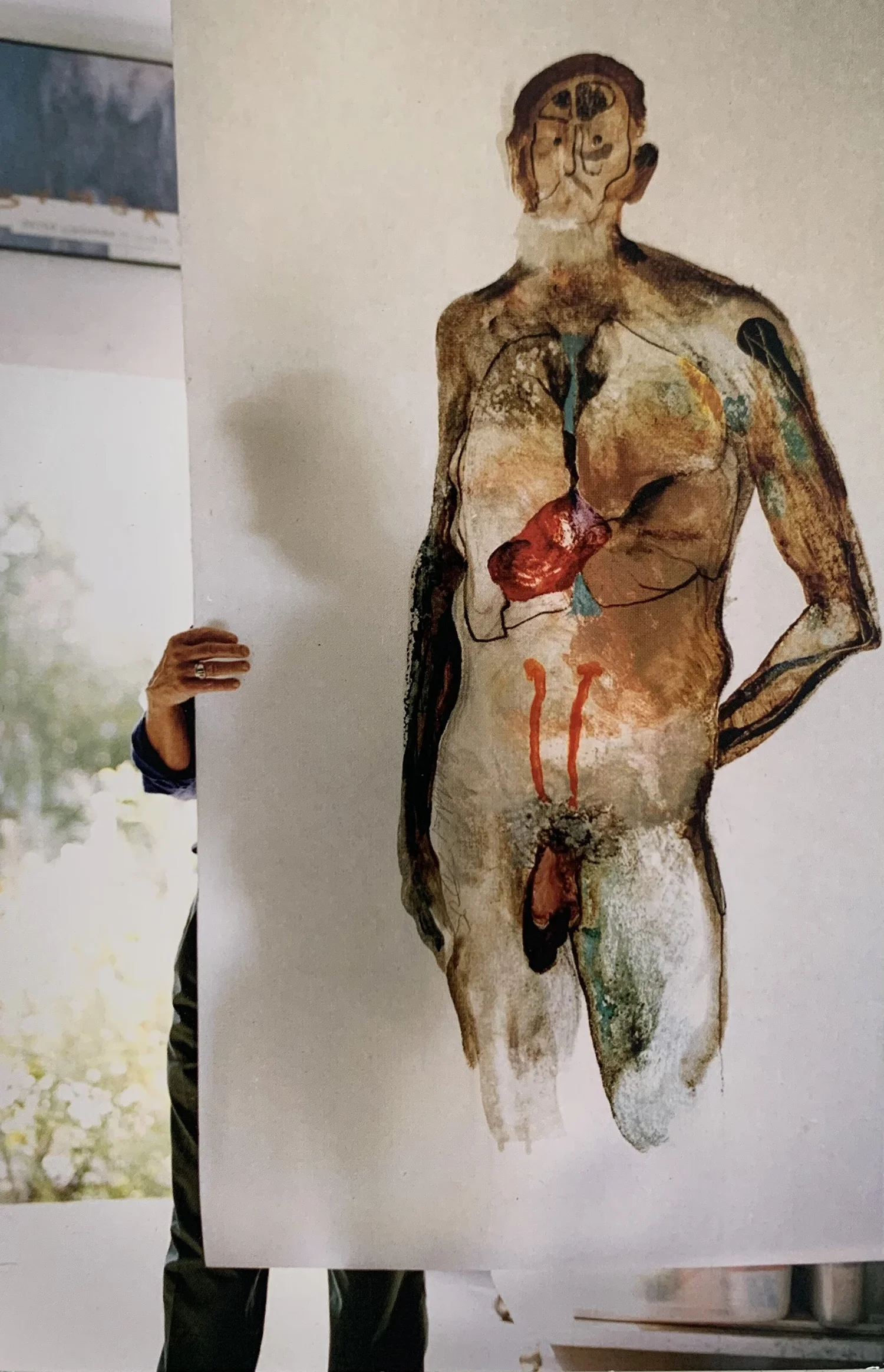
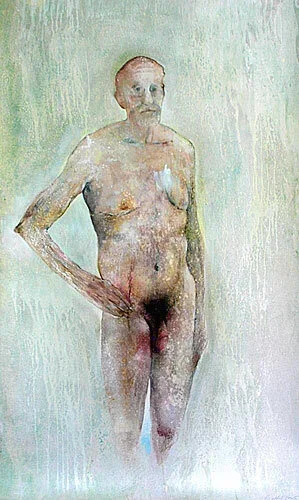
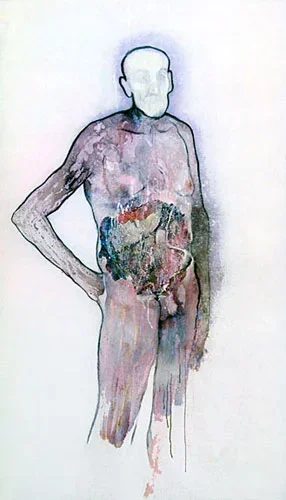
José Garza is a civil servant that I met in a municipal pool about twenty years ago. I was struck by his austere demeanor which reminded me of the Spanish painter, Zurbarán. Soon after, I completed his portrait and later, our artistic relationship developed into formal standing nude portraits. Subsequently, he was the main subject matter of a series of monumental drawings that were recently compiled into a publication called Side Life. He continues to inspire my figurative work in the recent piece Nadie and an ongoing series of Garza Ghost mixed media works.
THE GARZA SERIES
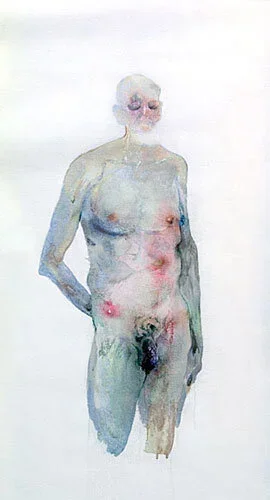
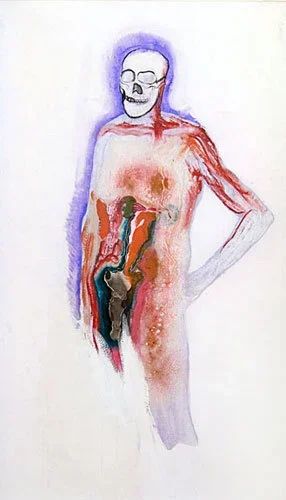
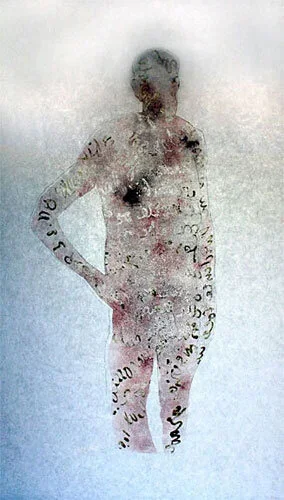
SIDE LIFE
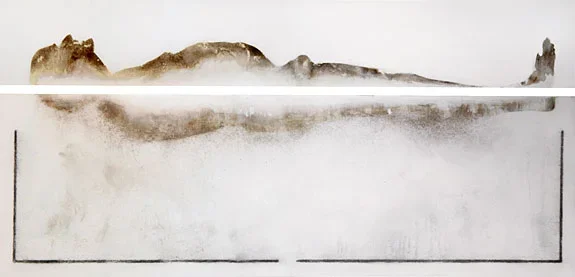
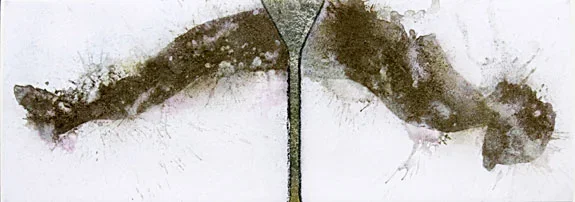
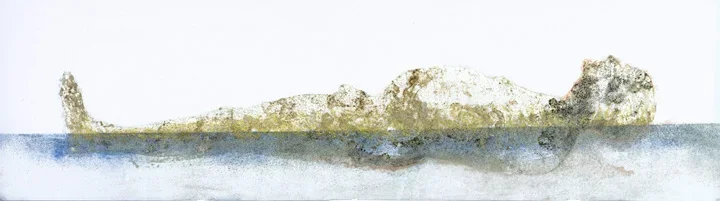
"Over the course of five decades, Peter Liashkov has produced a significant body of works that he calls “Sidelife,” a term appropriated from a collection of poems by the Romanian-born poet Paul Celan. Comprised of paintings and drawings of the human figure, the series posits one of the most basic questions about human existence: What happens when we die?" ...Read More
PAUL CELAN
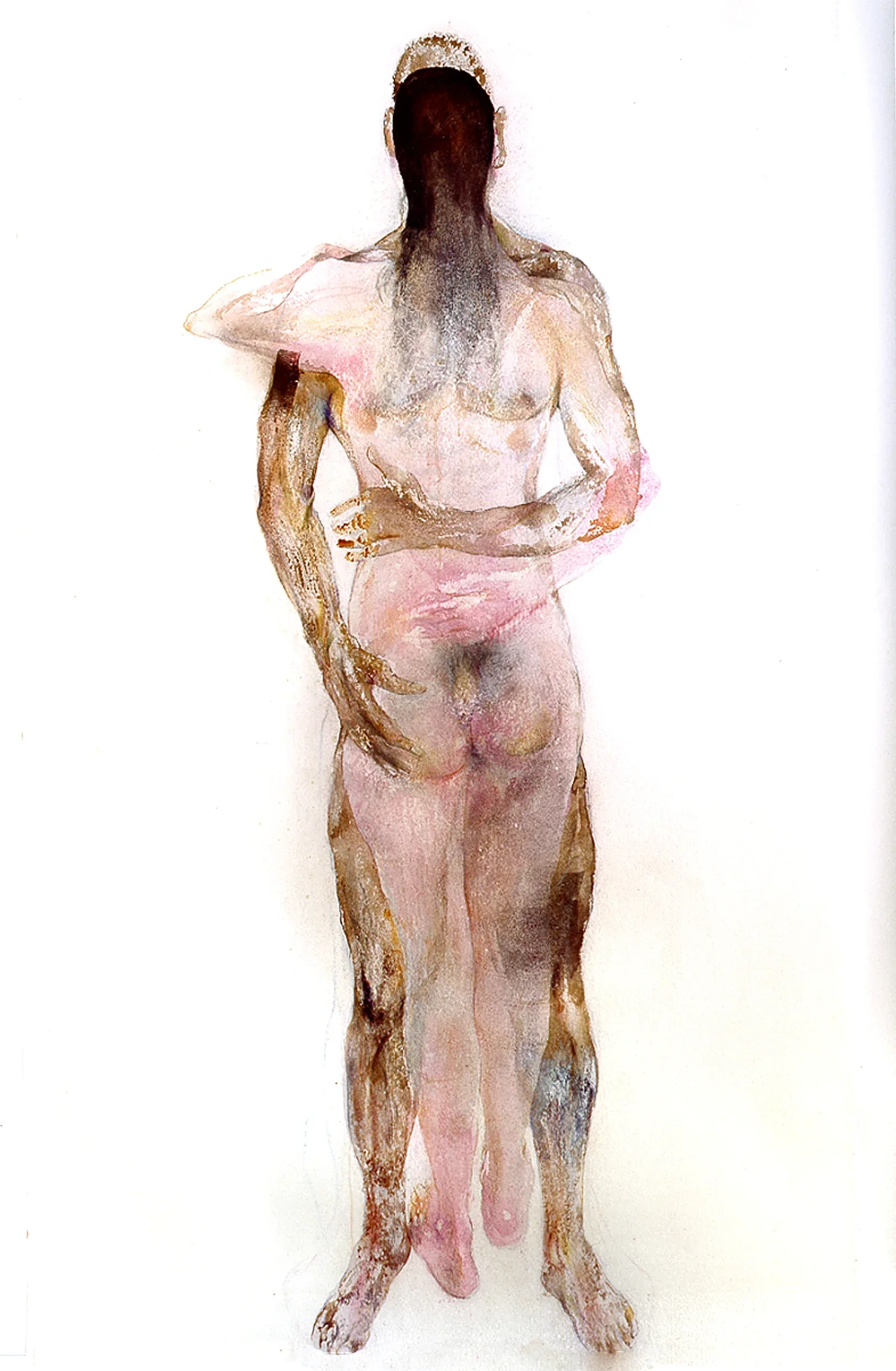
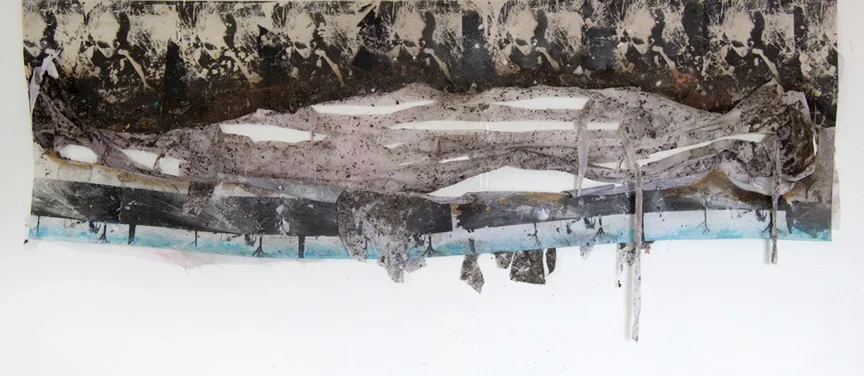
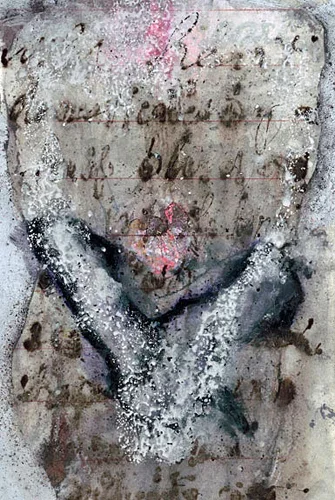
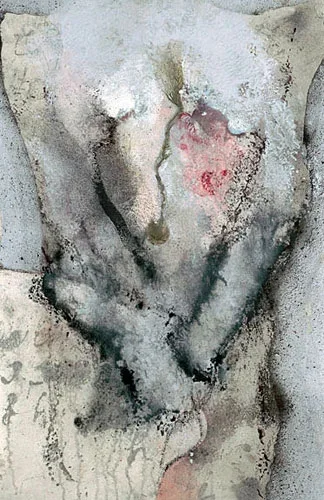
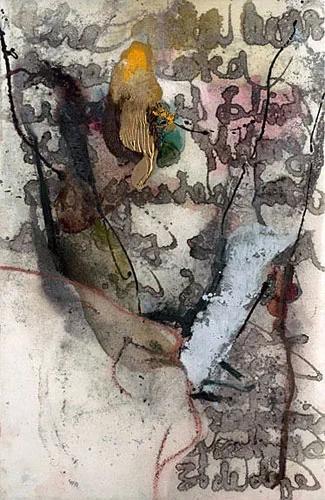
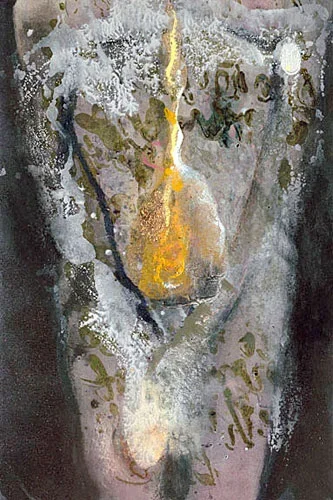
This series of paintings is a visual tribute to Paul Celan, a Holocaust poet who left an indelible body of work that reflects the agony of loss. The motif of the series is a headless torso with hands joined over the genitals to convey vulnerability. The text of his poetry is inscribed on the back of the translucent material synskin, a fiberglass paper. The material appeals to my sense of the impermanence of the body in contrast to the imprint of the written word. Layers of fluid acrylic and oil washes enhanced texturally with pigments, metallic powders and earth allude to the rich decay of the body
THRESHOLD
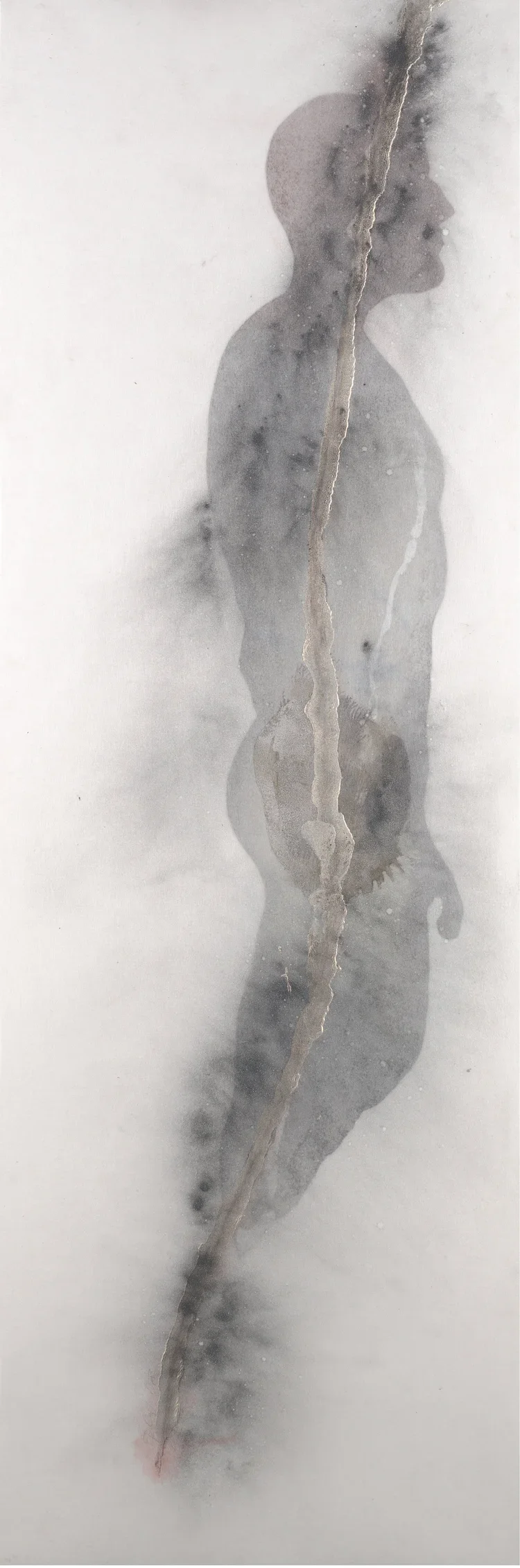
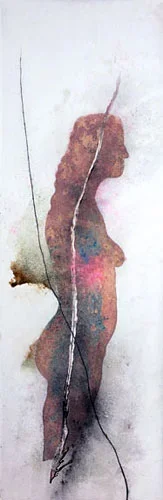
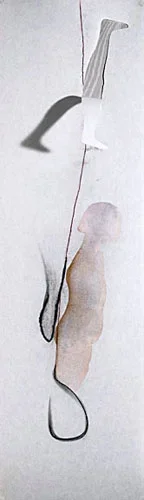
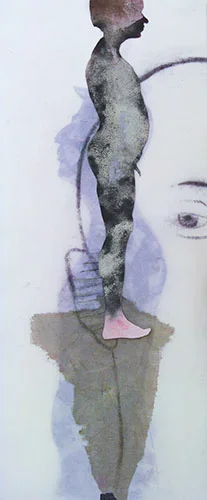
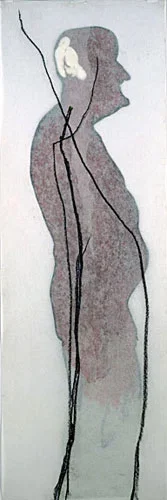
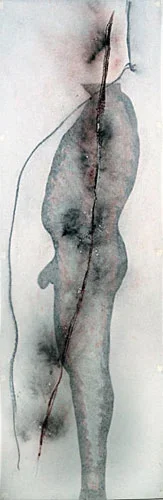
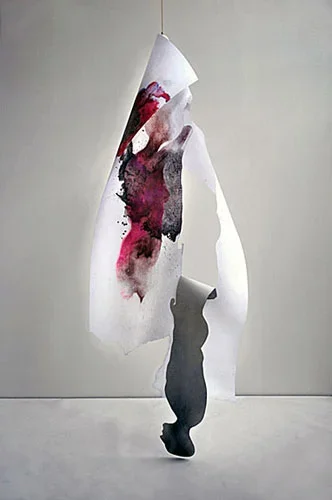
Branded into the synskin, the ghostly silhouettes of men, women and children are interwoven with vertical gestures that allude to spinal columns. The modeling of the bodies is the result of gentle applications of powdered pigments, iron glimmer and adobe manipulated by compressed air. In contrast the gestural forms are executed in calligraphic applications of charcoal and acrylic. These subjects are transitioning from the carnal to the spiritual.
![Trunk_[300].webp](https://images.squarespace-cdn.com/content/v1/598b6a42d482e97953d3086c/1765431873477-B2QDG4O9Q1W6BBEHE5SS/Trunk_%5B300%5D.webp)
UNMYTHIC
Text
HOMUNCULUS
HOMUNCULUS is a double sided "tapestry-like" hanging depicting a generic human figure splayed openly on a colorized ground of fiberglass mesh. It is inspired by a medical illustration found in a Persian manuscript by Mansur Ibn Muhammad from 1390. The central image was enlarged and transferred reprographically onto a pearlescent painted mesh then drawn and painted with acrylic and bright rivulets of oil and enamel paint, enhancing the vascular system as visualized by the original artist .The central figure is surrounded by smaller images of anatomical details of body parts derived from European anatomical treatises also painted in acrylic & oil paint. This interesting juxtaposition of styles creates a contrast of the schematic, symmetrical almost carved feeling of the Persian illustration with the European illusionistic anatomical rendition.